Why Pre- and Post-Inspection Reports Matter for Air Duct Cleaning in Sandy
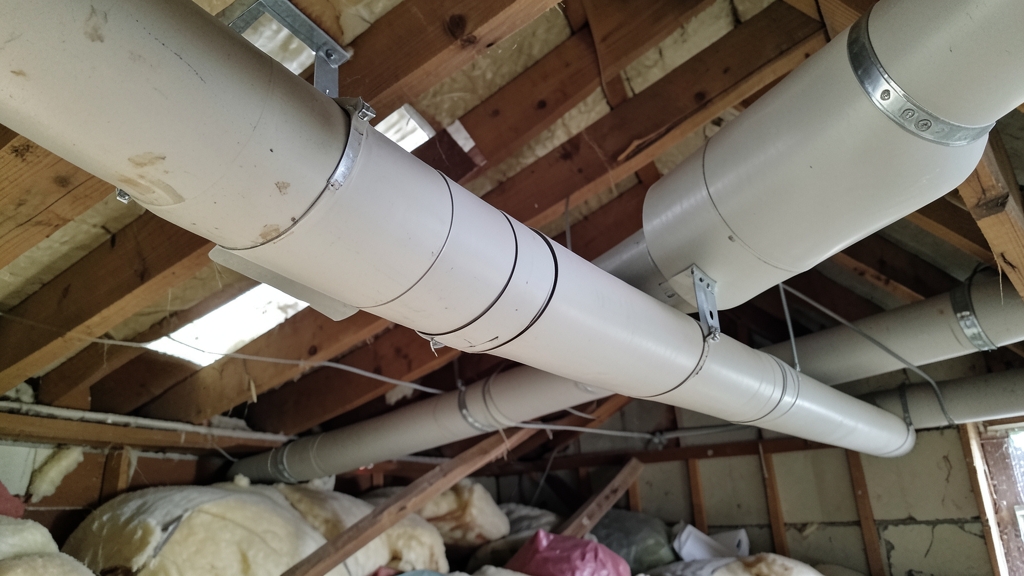
A thorough air duct cleaning starts and ends with inspections. Without them, you can’t verify the work or ensure your Sandy home’s HVAC system is truly clean. We rely on pre- and post-inspection reports to prove the difference—before and after the job.
What a Pre-Inspection Reveals About Your Ductwork
Before we touch your system, we use high-resolution cameras to inspect every reachable section of your ductwork. This step uncovers hidden buildup, blockages, or damage that could affect airflow and indoor air quality.
In Sandy’s dry climate, dust and pet dander accumulate fast. A pre-inspection helps us identify problem areas—like clogged supply vents or mold growth in return lines—so we can tailor the cleaning approach.
We follow NADCA’s ACR2022 standard, which requires visual inspections before and after cleaning to ensure compliance and effectiveness.
How Post-Inspections Prove the Job Was Done Right
After cleaning, we re-inspect the same areas to confirm contaminants are gone. This isn’t just a formality—it’s how we verify that your ducts meet cleanliness standards and that no debris was missed.
Post-inspections also check for structural integrity. Aggressive cleaning can sometimes loosen seams or seals; we catch and address these issues before they impact performance.
The Tools We Use for Accurate Duct Inspections
Flexible, high-definition borescopes let us navigate tight bends in supply and return ducts. For larger commercial systems in areas like South Jordan or Murray, we may use robotic crawlers for deeper access.
We also employ particle counters and static pressure tests. These tools measure airflow restrictions and contaminant levels, giving us hard data to include in your report.
| Tool | Purpose | Best For |
|---|---|---|
| Borescope Camera | Visual inspection of duct interiors | Residential & light commercial |
| Particle Counter | Measures airborne contaminant levels | Pre- and post-cleaning verification |
| Static Pressure Gauge | Detects airflow restrictions | Diagnosing blockages or leaks |
| Robotic Crawler | Inspects large or complex duct systems | Commercial buildings, hospitals |
What Your Inspection Report Should Include
A professional report isn’t just photos. It should detail the condition of every component: supply vents, return ducts, evaporator coils, and even the blower assembly.
Look for before-and-after images, contaminant descriptions (e.g., dust, mold, rodent debris), and recommendations for additional services like HVAC coil cleaning or dryer vent cleaning.
Essential Elements of a Duct Inspection Report
- High-resolution images of pre- and post-cleaning conditions
- Detailed notes on contaminant types and severity
- Airflow and static pressure measurements
- Recommendations for follow-up services (e.g., UV light treatment, mold remediation)
- NADCA compliance confirmation
Why Sandy Homes Need Extra Attention
Sandy’s seasonal extremes—hot summers and cold winters—mean HVAC systems run almost year-round. This constant use accelerates dust and allergen buildup in ducts, making inspections even more critical.
Neighboring areas like Cottonwood Heights and Draper share similar challenges. Homes here often need more frequent duct maintenance to combat dry air and outdoor pollutants.
Schedule inspections in spring or fall when HVAC demand is lower. This ensures your system is ready for peak summer or winter use.
How Inspection Reports Protect Your Investment
A detailed report serves as proof of service. If issues arise later—like unexplained allergies or reduced airflow—you have documentation to reference or share with HVAC technicians.
For commercial properties in Murray or Midvale, these reports are often required for compliance with indoor air quality regulations or leasing agreements.
Red Flags in Duct Inspection Reports
Beware of vague language like “ducts appear clean.” A reputable report will specify what was cleaned, how, and to what standard. Missing before-and-after images? That’s a warning sign.
If a company refuses to provide a post-inspection report, walk away. Transparency is non-negotiable for professional duct cleaning.
Some companies offer “$99 duct cleaning” but skip inspections entirely. These services often use subpar equipment and leave your system worse off.
How to Review Your Duct Inspection Report
Don’t just file it away—know what to look for.
- 1Compare Before-and-After Images
Check that the same areas are shown in both sets of photos. Look for visible reductions in dust, mold, or debris.
- 2Verify Contaminant Descriptions
Ensure the report lists specific contaminants (e.g., pet hair, mold spores) and their locations. Generic terms like “dirt” aren’t sufficient.
- 3Review Measurements
If particle counts or static pressure readings are included, confirm they’ve improved post-cleaning. Lower numbers mean better airflow and air quality.
- 4Check for Recommendations
The report should flag any remaining issues, like damaged ductwork or the need for coil cleaning. Address these promptly.
- 5Confirm NADCA Compliance
Look for a statement confirming the work meets NADCA’s ACR2022 standard. This ensures the job was done to industry best practices.
Frequently Asked Questions
How long does a duct inspection take for a typical Sandy home?
A thorough pre-inspection usually takes 30–60 minutes, depending on the size of your home and the complexity of your ductwork. Post-inspections are faster but equally detailed.
Can I do my own duct inspection?
While you can peek into vents with a flashlight, professional tools like borescopes and particle counters reveal what the naked eye can’t. DIY inspections often miss hidden mold or deep-seated debris.
What if the post-inspection shows my ducts still have contaminants?
A reputable company will re-clean problem areas at no extra charge. If they refuse, it’s a sign of poor workmanship—request a quote from another provider.
Do you offer duct inspections without cleaning?
Yes. Some homeowners in Draper or South Jordan opt for standalone inspections to assess their system’s condition before committing to a full cleaning. This is also useful for real estate transactions.
How often should I get my ducts inspected in Sandy?
We recommend an inspection every 2–3 years, or annually if you have pets, allergies, or notice reduced airflow. Homes in high-pollen areas like Cottonwood Heights may need more frequent checks.
Are inspection reports included in the cost of duct cleaning?
Yes, comprehensive pre- and post-inspection reports are part of our standard duct cleaning service. The cost varies based on factors like home size, system complexity, and additional services like mold treatment.