How to Verify Your Duct Cleaner Uses HEPA Vacuums in Sandy
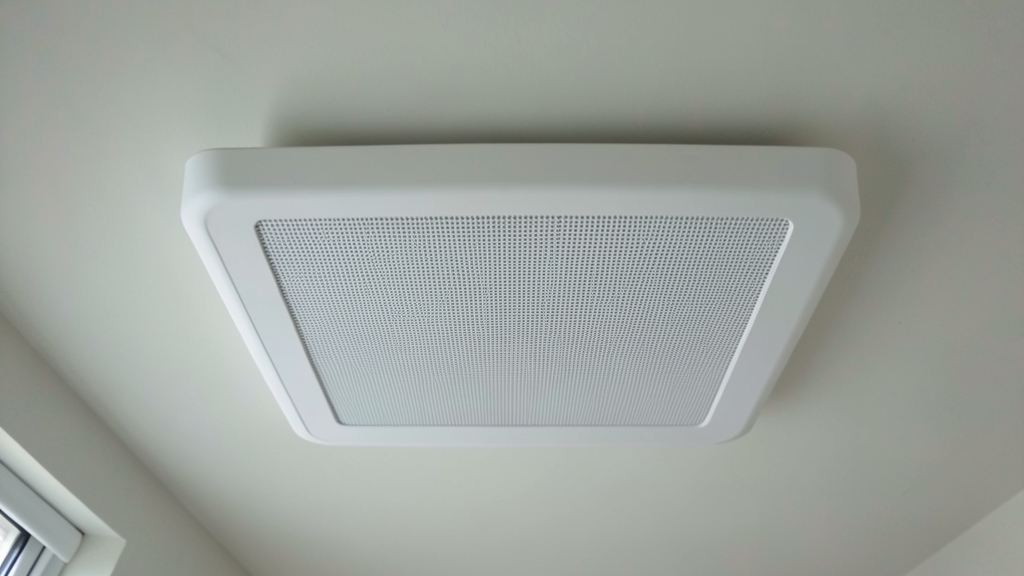
Not all duct cleaners in Sandy use HEPA vacuums—and that makes a huge difference. True HEPA filtration captures 99.97% of particles down to 0.3 microns, protecting your home and HVAC system from dust, mold, and debris re-entry.
Why HEPA Vacuums Matter in Air Duct Cleaning
Standard vacuums recirculate fine dust and allergens back into your home. HEPA vacuums trap these particles, ensuring they’re removed—not redistributed.
In Sandy’s dry climate, dust and pollen are persistent. HEPA filtration is critical to prevent these contaminants from settling back into your ductwork after cleaning.
NADCA Standards: What to Look For
Technicians should follow strict guidelines, including the use of HEPA-equipped vacuums. Always ask if your provider adheres to these standards.
Certification also requires proper containment and negative air pressure to prevent cross-contamination during cleaning.
Request to see the NADCA certification or HEPA vacuum specs. Reputable cleaners in Sandy will provide this upfront.
HEPA vs. Non-HEPA: Key Differences
Non-HEPA vacuums may use basic filters that allow fine particles to escape. HEPA systems use sealed filtration to ensure no leakage.
| Feature | HEPA Vacuum | Non-HEPA Vacuum |
|---|---|---|
| Particles Captured | 99.97% at 0.3 microns | Varies; often misses fine dust |
| Filtration Sealing | Fully sealed system | Partial or no sealing |
| Air Quality Impact | Improves indoor air quality | May redistribute contaminants |
| NADCA Compliance | Required for certification | Not compliant |
How HEPA Vacuums Work During Cleaning
Our team uses HEPA vacuums to create negative air pressure in your ductwork. This pulls debris toward the vacuum, preventing it from escaping into your living space.
The process starts with agitation tools to dislodge dust, followed by the HEPA vacuum to capture it. Without HEPA, fine particles can bypass the filter and re-enter your home.
Red Flags: When a Duct Cleaner Isn’t Using HEPA
If the technician can’t confirm HEPA filtration, that’s a warning sign. Another red flag: visible dust clouds during cleaning—this suggests poor containment.
Beware of companies using shop vacs or generic vacuums. These lack the power and filtration needed for thorough duct cleaning in Sandy homes.
Extremely low quotes often mean corners are cut—like skipping HEPA vacuums. Always verify equipment before hiring.
HEPA Vacuums and Related Services
HEPA vacuums are essential for duct cleaning, but they’re also used in dryer vent cleaning to remove lint and debris safely. This prevents fire hazards and improves dryer efficiency.
For commercial duct cleaning in Midvale or South Jordan, HEPA filtration is non-negotiable. Large systems require industrial-grade vacuums to handle higher volumes of dust and contaminants.
If mold or mildew is a concern, HEPA vacuums pair with UV light sanitization or mold treatment to ensure spores are captured and neutralized.
What to Expect During a HEPA Duct Cleaning
A proper cleaning starts with a visual inspection of your ductwork. Our team checks for blockages, mold, or excessive debris before beginning.
Next, we seal off vents and use HEPA vacuums to create negative pressure. Agitation tools loosen contaminants, which are then sucked into the HEPA system.
Finally, we inspect the work and may recommend HVAC coil cleaning or air filter replacement to maintain system efficiency.
HEPA Duct Cleaning Checklist
- Confirm technician uses NADCA-certified HEPA vacuums
- Verify negative air pressure is established
- Check that all vents are properly sealed during cleaning
- Inspect ductwork post-cleaning for residual debris
- Discuss additional services like coil cleaning or UV treatment
Maintaining Clean Ducts After HEPA Cleaning
After cleaning, regular air filter replacement helps sustain indoor air quality. In Sandy, we recommend MERV 8-13 filters for most homes.
Consider indoor air quality testing if allergies persist. This can identify hidden issues like mold or volatile organic compounds (VOCs) in your system.
How to Verify HEPA Vacuum Use Before Hiring
Don’t take their word for it—here’s how to confirm a duct cleaner in Sandy uses true HEPA vacuums.
- 1Ask Directly About Equipment
Call and ask: ‘Do you use HEPA vacuums with sealed filtration?’ If they hesitate or say ‘high-efficiency,’ push for specifics.
- 2Check for NADCA Certification
NADCA-certified companies must use HEPA vacuums. Verify their certification on NADCA’s website or ask for their certificate number.
- 3Inspect the Vacuum On-Site
When the technician arrives, look for a vacuum labeled ‘HEPA’ with a sealed system. Non-HEPA models often lack this labeling.
- 4Observe the Cleaning Process
Watch for negative air pressure setup. If dust is visibly escaping during cleaning, the vacuum isn’t HEPA or isn’t sealed properly.
- 5Request Documentation
Ask for a written service agreement specifying HEPA vacuum use. Reputable cleaners in Sandy will include this in their contract.
Frequently Asked Questions
Why do duct cleaners in Sandy need HEPA vacuums?
Sandy’s dry, dusty climate means fine particles are common in ductwork. HEPA vacuums ensure these particles are captured and removed, not spread back into your home. Without HEPA, cleaning can do more harm than good.
Can I rent a HEPA vacuum and clean my ducts myself?
DIY duct cleaning is risky. Without proper negative air pressure and containment, you can damage ductwork or redistribute contaminants. Professionals in Sandy use specialized tools and training to do it safely.
How often should ducts be cleaned with HEPA vacuums?
Most homes in Sandy benefit from duct cleaning every 3-5 years, or sooner if you have pets, allergies, or recent renovations. Always use a HEPA-equipped service for best results.
Do HEPA vacuums remove mold from ducts?
HEPA vacuums capture mold spores, but they don’t kill mold. For active mold growth, pair HEPA cleaning with mold treatment or UV sanitization. This is especially important in humid basements common in Cottonwood Heights or Draper.
Are HEPA vacuums used for commercial duct cleaning in Sandy?
Absolutely. Commercial systems in Murray or South Jordan often have more contaminants and require industrial HEPA vacuums to meet air quality standards. Always confirm HEPA use for commercial jobs.
What’s the difference between HEPA and ‘high-efficiency’ vacuums?
True HEPA vacuums meet a strict standard: 99.97% efficiency at 0.3 microns. ‘High-efficiency’ is a marketing term with no defined standard. In Sandy, insist on certified HEPA filtration.