How Often Should Sandy Restaurants Schedule Grease Duct Cleaning?
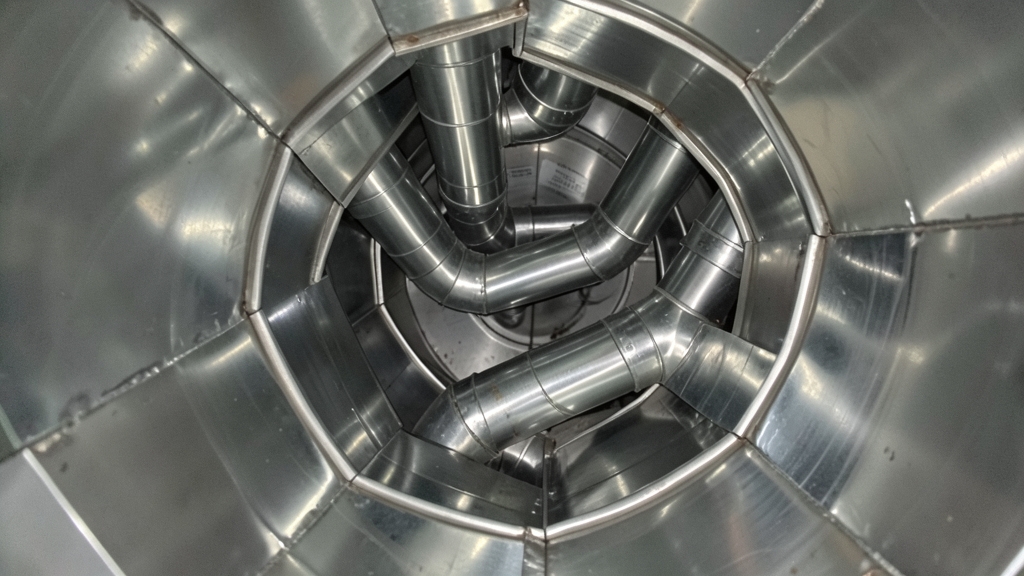
Grease duct cleaning isn’t just maintenance—it’s a fire safety and compliance necessity for restaurants. In high-volume kitchens, grease accumulates fast, and Sandy’s dry climate can accelerate buildup in exhaust systems. We’ll break down the real factors that determine your cleaning schedule, so you stay code-compliant and protected.
Why Grease Duct Cleaning Frequency Matters for Restaurants
Grease ducts are the arteries of your kitchen exhaust system. When grease builds up, it restricts airflow, forces your HVAC to work harder, and creates a serious fire hazard.
Sandy’s fire marshal follows NFPA 96, which mandates regular inspections and cleanings based on cooking volume and fuel type. Non-compliance can mean fines or even shutdowns.
Beyond safety, clean ducts improve indoor air quality for staff and diners, reducing odors and potential health risks from particulate recirculation.
NFPA 96: The Standard That Sets Your Cleaning Schedule
NFPA 96 is the bible for commercial kitchen ventilation. It classifies hoods as Type I (grease) or Type II (non-grease) and ties cleaning frequency to cooking operations.
For most Sandy restaurants, Type I hoods require cleaning every 1–3 months, depending on volume. High-volume operations—think flexible diners or charbroil heavy menus—lean toward monthly cleanings.
Type II hoods, like those over dishwashers or prep stations, may only need semi-annual attention. Always confirm with your local fire authority.
| Cooking Volume | Hood Type | Recommended Cleaning Frequency |
|---|---|---|
| High (e.g., charbroiling, wok cooking) | Type I | Monthly |
| Moderate (e.g., griddles, fryers) | Type I | Quarterly |
| Low (e.g., soup kitchens, bakeries) | Type I | Semi-Annually |
| Non-grease applications | Type II | Semi-Annually or Annually |
Local Factors That Can Shorten Your Cleaning Interval
Sandy’s dry air means grease can solidify faster in ducts, especially during winter when humidity drops. This accelerates clogging and increases fire risk.
Kitchens near Cottonwood Heights or Draper with heavy lunch and dinner rushes may need more frequent cleanings than those with slower, consistent traffic.
Older ductwork or systems with sharp bends and long horizontal runs trap grease more aggressively, demanding closer attention.
Grease buildup at rooftop terminations is often overlooked but critical. Birds’ nests or debris can compound blockages, so include these in every inspection.
Signs Your Grease Ducts Need Cleaning Now
Visible grease dripping from hoods or exhaust fans is the most obvious red flag. But by then, you’re already overdue.
Reduced airflow from your hood, excessive smoke in the kitchen, or a persistent greasy odor are all signs of restricted ducts.
Increased fire suppression system activations or grease puddles near the hood filter indicate it’s time to call in our team for a professional cleaning.
- Schedule a grease duct cleaning
- Inspect hood filters and replace if clogged
- Check exhaust fan performance and airflow
- Document findings for fire marshal compliance
How Cooking Style Impacts Grease Buildup
Not all restaurants generate grease at the same rate. Charcoal grills and deep fryers produce heavy grease laden vapors, requiring more frequent cleanings.
Pizza ovens and bakeries, while still needing attention, typically generate less grease. Their ducts may go longer between cleanings but still need regular checks.
Ethnic cuisines with high-heat wok cooking or tandoor ovens fall into the high-volume category. Restaurants in Midvale or South Jordan serving these menus should plan for monthly cleanings.
The Role of Hood Filters in Extending Cleaning Intervals
High-quality hood filters—especially baffle or mesh types—capture a significant portion of grease before it enters the ductwork. This can extend the time between full duct cleanings.
However, filters themselves require regular cleaning or replacement. Neglecting them defeats their purpose and accelerates duct contamination.
We recommend pairing professional duct cleaning with filter maintenance. This combo keeps your system running efficiently and reduces long-term costs.
Consider upgrading to high-efficiency grease filters if your kitchen sees heavy use. They’re a cost-effective way to reduce duct cleaning frequency.
Compliance and Documentation: What Sandy Fire Marshals Look For
Sandy’s fire marshal will ask for records of your grease duct cleanings, including dates, scope of work, and the technician’s certification. Keep these on file.
They’ll also inspect for visible grease accumulation, proper hood clearance, and functional exhaust fans. Even one missed cleaning can trigger a violation.
Proactive restaurants often schedule cleanings just before their fire inspection. This ensures full compliance and avoids last-minute scrambles.
How to Determine Your Restaurant’s Grease Duct Cleaning Schedule
Follow these steps to align your cleaning frequency with NFPA 96 and local Sandy requirements.
- 1Assess Your Cooking Volume
Categorize your kitchen as high, moderate, or low volume based on daily cooking operations and fuel type.
- 2Identify Your Hood Type
Confirm whether your hoods are Type I (grease) or Type II (non-grease). Most restaurants use Type I.
- 3Consult NFPA 96 Guidelines
Match your volume and hood type to the recommended cleaning frequency in the NFPA 96 table.
- 4Factor in Local Conditions
Adjust for Sandy’s dry climate, kitchen layout, and any past issues like frequent clogs or fire code notices.
- 5Schedule and Document
Book your first cleaning and set up a recurring schedule. Keep detailed records for fire marshal inspections.
Frequently Asked Questions
What’s the minimum grease duct cleaning frequency for a busy Sandy restaurant?
For high-volume restaurants with Type I hoods, NFPA 96 recommends monthly cleanings. This applies to most full-service kitchens, especially those with charbroilers or deep fryers. Always verify with your local fire authority.
Can I clean grease ducts myself, or do I need a professional?
Grease duct cleaning requires specialized tools, access to confined spaces, and certification to meet NFPA 96 standards. DIY attempts often miss hidden grease and can damage ductwork. Professionals also provide the documentation fire marshals require.
How does grease duct cleaning differ from dryer vent cleaning?
Grease duct cleaning targets commercial kitchen exhaust systems to remove flammable grease buildup, while dryer vent cleaning focuses on lint removal in residential or commercial laundry systems. Both are critical for fire prevention but serve entirely different systems.
Do restaurants in nearby areas like Draper or Midvale have the same requirements?
Yes, NFPA 96 is a national standard, and most Utah municipalities, including Draper, Midvale, and South Jordan, adopt it. However, local fire marshals may have additional requirements, so always check with the specific jurisdiction.
What happens if I skip a scheduled grease duct cleaning?
Skipping cleanings risks grease fires, poor indoor air quality, and HVAC inefficiency. You also face potential fines, forced closures, or denied insurance claims if an incident occurs. Compliance isn’t optional—it’s a legal and safety imperative.
Does air duct cleaning for my dining area affect grease duct requirements?
No, grease duct cleaning and general air duct cleaning are separate services. Grease ducts are part of your kitchen exhaust system, while HVAC air ducts serve your dining area. Both contribute to indoor air quality but have distinct maintenance needs.